Wealth Disparity and Global Instability
In 1982, Forbes magazine unveiled its inaugural list of America’s 400 wealthiest individuals and their fortunes. This initial roster featured a mere 13 billionaires, who amassed a combined total wealth of $92 billion. Fast-forward four decades, and Forbes’ updated list of America’s richest 400 reveals a staggering increase to an aggregate of $4.5 trillion. Today, a striking 30.6% of this massive wealth is controlled by just 1% of the U.S. population.
Is this global disparity in income and wealth a catalyst for social and political instability? The answer is a resounding yes—particularly when the gap between the affluent and the impoverished widens enough to fuel persistent social unrest.
While Western nations have largely built inclusive political and economic institutions and implemented measures to narrow this wealth gap, many regions across Africa and the Middle East are witnessing a widening disparity, resulting in the continued suffering of their poor and middle classes.
The Institutional Collapse of Libya
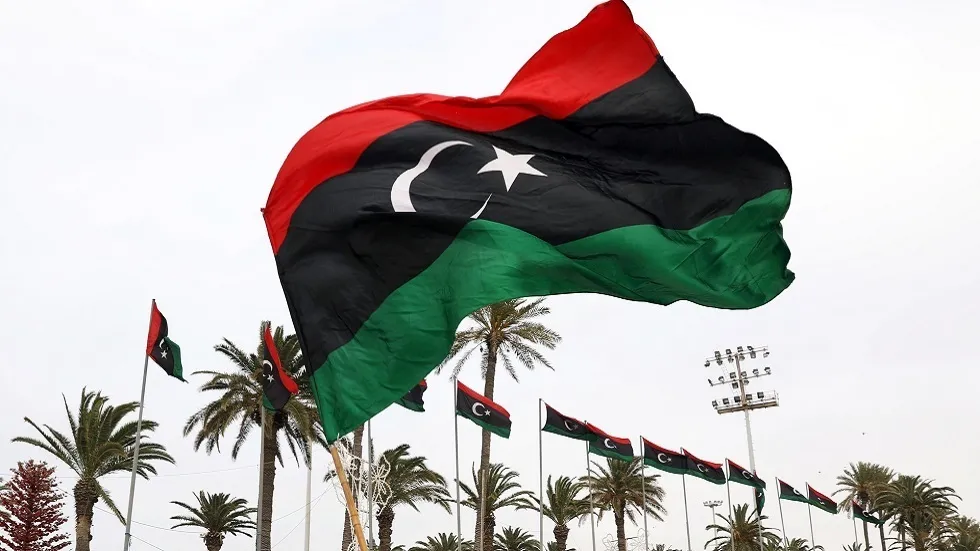
A stark illustration of this systemic failure is oil-rich Libya, where the middle class has steadily shrunk since 2012, and the impoverished have sunk deeper into poverty. This dire situation is the direct result of a feeble central government, incompetent officials, and the systemic collapse of the country’s political and economic institutions.
The roots of Libya’s failure date back 500 years, if not more, and can be traced to the failed political systems that have controlled the country over the last five centuries. In their seminal book Why Nations Fail, authors Daron Acemoglu and James A. Robinson wrote:
“Political and economic institutions, which are ultimately the choice of society, can be inclusive and encourage economic growth. Or they can be extractive and become impediments to economic growth. Nations fail when they have extractive economic institutions supported by extractive political institutions that impede and even block economic growth.”
For the past 50 years, Libya has faced a profound crisis driven by the absence of the rule of law and a robust political system. As a result, the entire nation has been left vulnerable to lawless, opportunistic actors and greedy international players. Tragically, 40% of the population now lives in poverty with no sustainable strategic plan in sight to lift them out of their misery—a situation that has trapped citizens in a country stripped of its political and social identity.
The Concentration of Power and Institutional Stagnation
Libya’s lack of inclusive political and economic institutions has given rise to powerful, localized factions that control the nation’s primary revenue streams. Power was highly centralized among a few individuals during Muammar Qaddafi’s reign, and this concentration of wealth and state management has persisted into the post-Qaddafi era. Currently, armed militias and prominent families are locked in a bitter struggle for political and economic dominance—a rivalry that is driving the country toward bankruptcy and structural collapse. Unfortunately, Libya’s political transition in 2011 merely recreated the previous extractive system, if not a worse version of it.
Libya faces a profound challenge, as its political and financial elites have no interest in sharing the nation’s wealth with the general population or involving citizens in nation-building. This situation closely mirrors the experience of the 19th-century Welsh philanthropist Robert Owen, who attempted to persuade the Austrian government to implement social reforms for the working class. An assistant to the Austrian prince famously responded:
“We have no desire for the masses to become wealthy and independent. Otherwise, how could we govern them?”
Technological Lag and Economic Dependency
Despite its abundant natural resources, Libya lags drastically behind in terms of infrastructural progress and modernity. Having missed the Industrial Revolution entirely, the country now struggles to keep pace with the rapid technological advancements of the Western world, China, and key Gulf states like the United Arab Emirates.
Alarmingly, Libya’s current leadership is failing to match even the baseline agricultural advancements achieved globally centuries ago. This systemic failure is reflected in the fact that the country still relies heavily on imported essential vegetables and grains for its daily survival.
The Rise of Extractive Elites and Criminal Enterprise
Libya is being held back by a powerful network of elites who aggressively resist reform out of fear of losing their power and status. A significant number of these individuals come from underprivileged backgrounds or have criminal pasts that previously rendered them social outcasts. However, the 2011 civil war and revolution propelled them into influential positions within the government and the business sector. This newfound authority has enabled them to legally shield and expand their illicit operations, which include drug trafficking, human smuggling, money laundering, extortion, the illegal sale of arms, and widespread corruption in government contracting. Over the past several years, these armed militias have entrenched their positions of power through strategic alliances and, at times, direct support from the country’s leadership.
Ultimately, Libya’s contemporary state failure—characterized by extreme income and social inequality—stems from an ongoing battle between traditional extractive forces and modern economic development. The current power players benefit immensely from an extractive system that has made them wealthy, allowing them to fund private armies, hire mercenaries, bribe public officials and judges, and systematically manipulate or reject national elections. These actors have absolutely no incentive to relinquish the wealth they have amassed over the past decade, and they will actively ensure that Libya remains a fractured, failed state.
The Cycles of Power and Threat of Extended Conflict
What does the future hold for Libya and its people? Unfortunately, the current extractive system has institutionalized high social and economic inequality. This disparity will likely prompt rival factions to organize and attempt to seize control from the current power players in order to exploit the nation’s available riches. Such a struggle would almost certainly plunge the country into further chaos, lawlessness, and a prolonged civil war.
Can national elections resolve this dire situation? Most likely not. Even if elections were successfully held today, the lack of an institutional foundation would result in a weak, crippled democracy that could eventually collapse back into an autocracy. Consequently, many Libyans quietly harbor hopes for a strong, enlightened, and authoritative leader who can forcefully restore peace, stability, and public order—finally liberating them from the chaotic dominance of rival militias.
International Responsibility and the Geopolitical Threat
The United States and the United Nations bear a distinct moral and legal responsibility toward the Libyan people to help repair the structural damage caused by their intervention in Libya’s violent regime change in 2011. The longer world powers delay addressing these deep-seated institutional failures, the greater the risk that Libya will descend irretrievably into anarchy and lawlessness.
Such a collapse would not remain contained within Libya’s borders; it would severely destabilize the security of the broader Maghreb region and directly threaten Southern Europe. Therefore, the U.S. and the wider international community must act decisively to help stabilize the nation and restore Libya as a reliable, constructive partner both regionally and globally.