
By Omar khattaly
The Chronic Failure of Temporary Governance
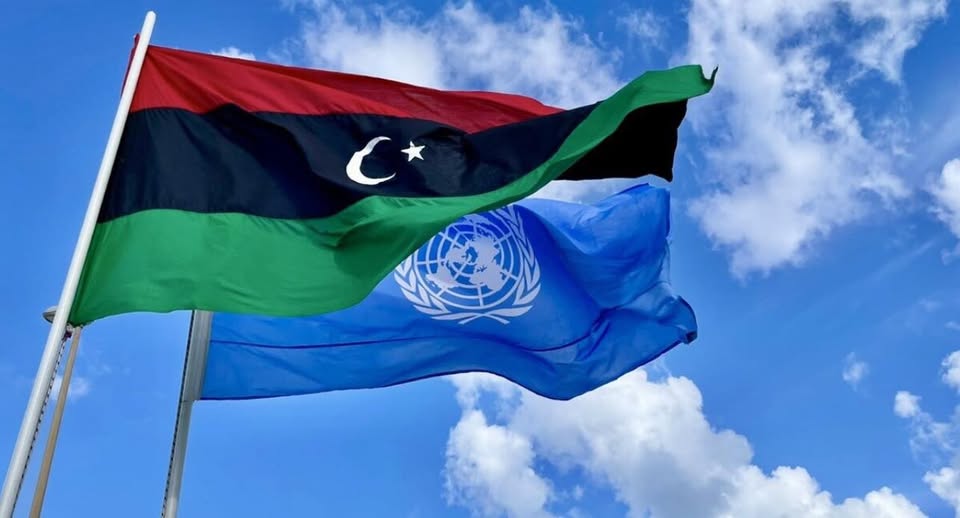
The proposed United Nations plan for Libya aims to reform the political system and establish a new government. However, it repeats past failures in the hope of achieving a different outcome. While Libya’s ongoing crisis desperately needs resolution, this proposal fails to address the root causes of the country’s instability. Focusing on temporary political fixes without a solid constitutional foundation will only deepen domestic divisions and hinder meaningful, long-term progress.
Since the fall of the Qaddafi regime in 2011 to the current United Nations-appointed Government of National Unity (GNU) led by Abdulhamid Dbeibeh, Libya has experienced continuous instability. Armed groups—many motivated and funded by regional or ideological agendas—continue to exert control over large portions of the country. This fragmentation has created a lawless and insecure environment.
In addition to local militias, foreign military forces from Turkey and Russia have become deeply entrenched in the conflict to advance their own geopolitical interests. Alongside these foreign troops, waves of mercenaries have poured into the country. In many cases, Libyan factions have aligned themselves with these external powers, frequently acting against the fundamental interests of the Libyan people.
The Dbeibeh administration, initially formed under a UN-led process to conduct national elections and provide interim stability, has failed, repeating the exact pattern of previous transitional governments. Internal divisions—particularly concerning the national budget and the control of Libya’s vast oil resources—have quickly emerged, exposing the government’s structural fragility. These systemic rifts have crippled state institutions and fueled unprecedented levels of corruption, rendering effective governance impossible. Consequently, the current UN-proposed approach threatens to merely prolong the cycle of instability and division that has plagued the nation for over a decade.
The Constitutional Mandate for Lasting Peace
To achieve meaningful change, Libya must create a permanent and inclusive constitution. A ratified constitution that embodies justice, democracy, and national unity is crucial for building a stable political system. This legal framework must be accepted by all Libyan communities, ensuring that every region, tribe, and minority ethnic group—including the Amazigh, Tebu, and Tuareg—has a meaningful voice in shaping the country’s future. Without this foundational legal shield, any new government will remain weak, susceptible to external interference, and incapable of addressing Libya’s longstanding structural issues.
The true way forward requires a transparent and inclusive national dialogue to draft a constitution that all Libyans can support. Only after this constitutional foundation is firmly established can free and fair elections create a permanent, legitimate, and accountable government that truly represents the populace.
Using outdated, failed templates will not resolve the crisis in Libya; instead, it will likely exacerbate the problems faced by the international community. Libya’s future must be determined by Libyans themselves, entirely independent of external manipulation and the influence of foreign powers. Hasty efforts to force quick political compromises will only benefit external actors or entrenched armed groups, ultimately dragging the nation back to the chaos of 2012.